
Beyond Automation: Why Customer Communication Needs Both Human Touch and AI Insight

[vc_row][vc_column][vc_column_text]Gone are the days when artificial intelligence (AI) was merely a source of dystopian fiction. Today, AI has emerged as a powerful ally in customer communication, with businesses eagerly embracing its potential.

In a latest survey by McKinsey on use of AI reveals a striking trend: 65% of organizations now routinely employ generative AI, a figure that has doubled in less than a year. This surge reflects a growing confidence in AI’s transformative power across industries. The AI-driven marketing tools’ market is experiencing explosive growth, with projections suggesting it will reach $40.09 billion by 2025.[/vc_column_text][/vc_column][/vc_row][vc_row][vc_column][vc_single_image image=”8599″ img_size=”full”][vc_column_text]Image Source: McKinsey & Company

Rapid Rise of Use of AI In Marketing

Marketing function has been widely impacted by AI as well. Adobe’s recent report on 2023 Digital Trends indicates that 15% of companies have already integrated AI into their marketing strategies, with an additional 31% planning to follow suit within the year. The main areas of marketing where AI is thriving are as follows:

  1. Mass Personalization: AI’s data processing capabilities enable marketers to create tailored messages and recommendations at scale.
  2. Content Creation Efficiency: AI streamlines the production of marketing materials, allowing human marketers to focus on strategy and creativity.
  3. Predictive Customer Insights: AI-powered analytics help anticipate customer needs, enabling proactive campaign design.

Despite the rise of AI in marketing functions, the human element remains crucial. While AI can analyse data and predict trends, it’s the human touch that ensures ethical, effective, and emotionally resonant marketing.

The Synergy of Human and Artificial Intelligence

The real strength of AI in marketing is unlocked when it works in harmony with human expertise. While AI excels at creating hyper-personalized content and automating complex tasks, the human element ensures that these efforts are both effective and meaningful.

  1. Quality Assurance of AI-Generated Content: AI can generate content tailored to individual customers based on data, but human oversight is essential to ensure that this content aligns with the brand’s voice, is accurate, and resonates with the target audience.
  2. Strategic Data Handling for AI: AI relies on data, but humans play a crucial role in anonymizing raw information and creating logical personas. This approach ensures that only essential, non-sensitive data is shared with AI, minimizing the risk of inappropriate content generation and maintaining the brand’s integrity.
  3. Human Oversight in AI-Driven Campaigns: While AI can automate many aspects of campaign execution, human expertise is vital in shaping strategies and customizing offers for different segments. This human touch ensures that every campaign maintains a connection with the audience and resonates deeply.

Human expertise is also indispensable in areas like compliance management, emotional intelligence, persona development, and ethical oversight—ensuring that AI-driven marketing remains authentic, trustworthy, and fair.

If you’re looking for a marketing tool that balances the synergy between AI and humans and delivers real results, reach out to AiVantage today to learn more about our latest AI-powered marketing tool—Interactive AI.[/vc_column_text][/vc_column][/vc_row]

Protecting Consumer Privacy in the Age of AI: Using ChatGPT Responsibly

AI: The Next Big Thing in Business

In today’s fast-paced world, AI is at the forefront of innovation, transforming business operations. Chat-based AI like ChatGPT is modernizing workplaces by automating repetitive tasks and enhancing user interactions. A recent survey found that 24% of American businesses saved between $50,001 and $75,000 by leveraging ChatGPT, with 66% reporting savings between $5,001 and $75,000, highlighting its financial benefits.

ChatGPT: Setting New Standards in AI

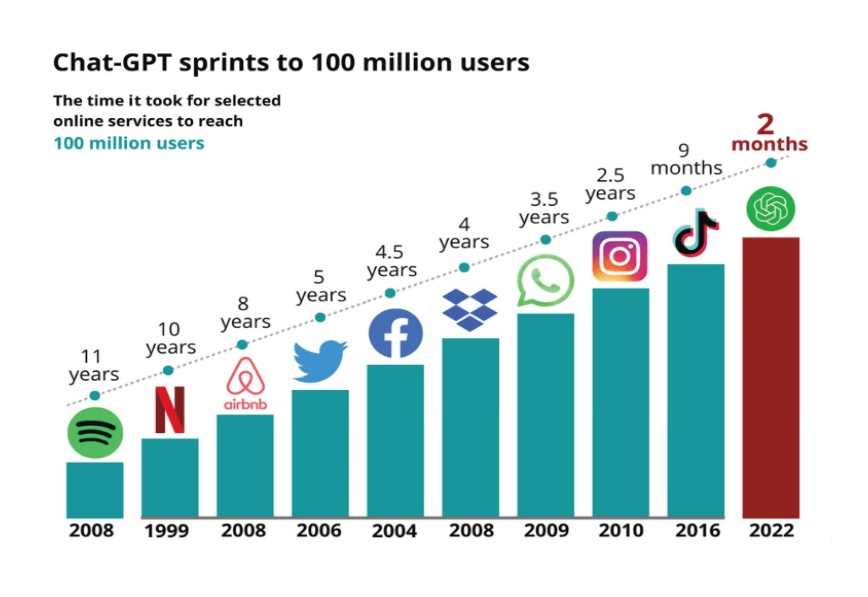
Among AI advancements, ChatGPT stands out with its remarkable language processing abilities. It represents years of research and a vision for a future where humans and AI collaborate to drive innovation. The popularity of this tool is proven by its fast adoption among users.

The Risks of Feeding Customer Information to ChatGPT

While ChatGPT offers significant benefits, it also presents challenges, particularly regarding the handling of customer information. Understanding these issues is crucial for businesses aiming to leverage AI while ensuring data security and customer trust. According to a report, for every 10,000 enterprise users, organizations encounter roughly 183 incidents of sensitive data being posted to the app monthly.

  1. Data Privacy and Security Risks
    Supplying customer information to ChatGPT raises concerns about unauthorized access, data leaks, and long-term data retention, risking exposure of sensitive information.
  2. Compliance with Regulations
    Ensuring AI usage complies with regulations like GDPR, CCPA, and HIPAA requires managing consent, minimizing data use, and honoring data erasure requests.
  3. Maintaining Customer Trust
    Customers may lose trust if they perceive their data is not handled securely, leading to potential negative publicity and damage to the company’s reputation.
  4. Data Accuracy and Quality
    Inaccurate or outdated customer information fed into ChatGPT can result in miscommunication and failed personalization efforts, frustrating customers.

Third-Party AI Tools & Integrations: A Solution

Third-party tools offer a way to leverage AI for personalized communication while protecting sensitive customer data. Advanced systems within these tools detect and isolate sensitive information, mapping PII with unique IDs in the backend. Once AI generates responses, these IDs reintegrate the sensitive information, ensuring secure and personalized outputs. This approach allows businesses to harness AI effectively while safeguarding client and customer data.

AiVantage is launching a new marketing AI-powered tool in August that will help businesses hyper-personalize customer interactions, including emails, letters, and SMS messages at scale, while protecting all personal information. This cutting-edge tool ensures that your communications are both impactful and secure, setting a new standard in the industry. Contact us today to learn more about it.

Setting the AI Trend: Essential Positions Banks Should Fill Today

To effectively integrate AI into banking operations and stay ahead in the competitive landscape, banks need to hire key positions that are critical for developing, implementing, and managing AI technologies. Here are the positions that banks should prioritize:

  1. Chief AI Officer (CAIO)

A Chief AI Officer is responsible for overseeing the bank’s AI strategy. This role involves coordinating AI initiatives across departments, ensuring alignment with the bank’s overall goals, and managing AI-related investments and resources. By having a dedicated CAIO, banks can ensure that their AI projects are strategically directed and well-supported.

  1. Data Scientists

Data scientists play a crucial role in analyzing large datasets to derive actionable insights. They develop algorithms and models for AI applications such as predictive analytics, customer segmentation, and risk management. Their expertise is essential for transforming raw data into valuable business intelligence.

  1. Machine Learning Engineers

Machine learning engineers are tasked with designing and implementing machine learning models that can learn and adapt over time. They work closely with data scientists to deploy AI algorithms into production, ensuring that the models are scalable, efficient, and effective.

  1. AI Ethics Officer

An AI Ethics Officer ensures that the bank’s AI applications are developed and used ethically. This role involves creating guidelines for ethical AI use, monitoring compliance with these standards, and addressing issues related to bias, fairness, and transparency in AI systems. By having an AI Ethics Officer, banks can build trust with customers and stakeholders by demonstrating a commitment to ethical AI practices.

  1. Cybersecurity Specialists

Cybersecurity specialists are vital for protecting AI infrastructure from cyberattacks. They implement security measures for AI systems, monitor for threats, and respond to incidents to safeguard sensitive data. Their role is crucial in maintaining the trust and security necessary for successful AI integration.

  1. Customer Experience Designers

Customer Experience Designers focus on integrating AI into customer interactions to enhance the user experience. They design AI-driven interfaces, chatbots, and personalized services that improve customer satisfaction and engagement. By enhancing the way customers interact with the bank, these designers play a key role in driving customer loyalty and retention.

Moving Forward with AI Projects

Starting early with AI in the banking sector involves developing a strategic vision, investing in training, building a robust data infrastructure, initiating pilot projects, and fostering a culture of innovation. Hiring the right talent is equally crucial. By bringing in above experts, banks can successfully enter the AI revolution and drive significant business growth. Embracing AI today will position banks for a future of enhanced efficiency, customer satisfaction, and competitive advantage. If you’re ready to move ahead with your AI projects but lack the necessary resources, AiVantage is here to help you get started.

Is Your Bank 2.0 Powered by AI? A Checklist to Find Out

[vc_row][vc_column][vc_column_text el_class=”list-style-none-default”]In today’s rapidly evolving banking industry, the integration of artificial intelligence (AI) has become important for institutions striving to stay ahead of the curve. From personalized customer experiences to advanced fraud detection, AI has revolutionized the way banks operate and interact with their customers. But how can you tell if your bank truly embodies the principles of Bank 2.0? To help you assess whether your bank is leveraging the power of AI to its fullest potential, we’ve compiled a comprehensive checklist.

  1. Intelligent Virtual Assistants:
    • Does your bank offer AI-powered virtual assistants or chatbots for customer support?
    • Are these assistants capable of understanding natural language queries and providing relevant responses in real-time?
    • Do they offer personalized recommendations based on individual customer profiles and transaction history?
  2. Enhanced Security Measures:
    • Does your bank utilize AI algorithms for fraud detection and prevention?
    • Are there biometric authentication options available, such as fingerprint or facial recognition?
    • Does your bank employ AI-driven anomaly detection to monitor account activity and identify potential security threats?
  3. Personalized Financial Services:
    • Does your bank offer personalized product recommendations based on your customers’ financial goals and spending habits?
    • Are AI-driven robo-advisors available to provide investment advice and manage portfolios?
    • Can your bank anticipate customer needs and offer proactive solutions tailored to their individual circumstances?
  4. Seamless Digital Experience:
    • Is your bank’s online platform intuitive and user-friendly, with features such as AI enabled voice banking and natural language processing?
    • Can your customers perform banking tasks easily through the mobile app, including account management, bill payments, and loan applications?
    • Does your bank offer seamless integration with third-party apps and services through open banking APIs?
  5. Operational Efficiency:
    • Does your bank utilize AI automation for streamlining internal processes, such as customer onboarding and document verification?
    • Are AI-driven predictive analytics used to optimize resource allocation and improve operational efficiency?
    • Does your bank leverage AI for predictive maintenance of infrastructure and equipment to minimize downtime and ensure smooth operations?
  6. Compliance and Regulatory Adherence:
    • Does your bank employ AI-powered tools for monitoring regulatory compliance and detecting potential risks?
    • Are there robust AI systems in place for anti-money laundering (AML) and know your customer (KYC) procedures?
  7. Continuous Innovation:
    • Does your bank actively invest in research and development to explore new AI technologies and innovative solutions?
    • Is there a culture of innovation and experimentation within the organization, with a focus on pushing the boundaries of what’s possible in banking with AI?
    • Does your bank collaborate with fintech startups and industry partners to stay at the forefront of AI innovation?

As you assess your bank against this checklist, remember that embracing AI is not just about adopting the latest technologies—it’s about embracing a mindset of continuous innovation and evolution. By leveraging AI to its fullest potential, your bank can unlock new opportunities for growth, differentiation, and success in the digital age. So why wait? Start your journey today with AiVantage and pave the way to becoming the real Bank 2.0 powered by AI.[/vc_column_text][/vc_column][/vc_row]

Unlocking the Potential of Large Language Models (LLMs) in Finance

[vc_row][vc_column][vc_column_text]In today’s complex financial world, where information is key and smart choices rule, Large Language Models (LLMs) are game-changers. These super-smart AI systems, trained on huge amounts of text data and powered by top-notch algorithms, have a special talent: they can understand, create, and dissect human language with amazing precision and complexity. In finance, LLMs are a big deal. Their potential is huge and their impact is far-reaching.

Three Key Domains Where LLMs Revolutionize Finance

  1. Fraud Detection and Risk Management
    LLMs play a crucial role in keeping financial transactions secure. They sift through massive amounts of data to spot any unusual activities that could signal fraud. Their advanced analysis helps detect even subtle patterns, allowing financial institutions to stop threats before they cause harm. Additionally, in risk management, LLMs provide valuable insights, helping institutions understand, measure, and reduce risks with remarkable accuracy and foresight.Interestingly, J.P. Morgan has been harnessing AI-powered LLMs for payment validation screening for over two years. This technology not only accelerates processing by minimizing false positives but also enhances queue management efficiency. As a result, J.P. Morgan has achieved significant reductions in fraudulent activities and notably improved the customer experience, with account validation rejection rates dropping by 15-20%.
  2. Enhancing Customer Service
    In today’s customer-centric world, LLM-powered solutions bring innovation to how financial institutions interact with clients. With AI-driven chatbots and virtual assistants powered by LLMs, institutions can offer personalized support 24/7, boosting satisfaction and loyalty. By leveraging LLMs’ conversational abilities and deep language understanding, financial institutions can take customer experience to new levels, increasing engagement, retention, and advocacy.

    You definitely might know “Erica”, a LLM-powered virtual assistant by Bank of America to provide personalized support to customers. Using LLM technology, Erica engages in natural language conversations to assist customers with banking tasks, such as account inquiries and bill payments. This enhances the overall banking experience, increasing customer satisfaction and loyalty.
  3. Predictive Analytics and Strategic Insight
    In the ever-changing financial world, where uncertainty reigns, LLMs shine as predictive tools. By analyzing vast historical data and uncovering hidden patterns, LLMs help institutions foresee market trends, predict economic indicators, and simulate various scenarios accurately. With these insights, institutions can navigate volatile markets confidently, making informed decisions that maximize returns, minimize risks, and unlock opportunities for growth and innovation.An excellent example of LLM based model in finance sector is BloombergGPT which is specifically designed to help traders and investors analyze news and data, enabling them to make better investment decisions. The finance-specific LLM analyzes news stories, earnings reports, social media feeds, and other sources of information to identify relevant trends and patterns.

AiVantage: Your Strategic LLM Partner

In the journey to leverage LLMs, financial institutions need a reliable partner. By partnering with AiVantage, your institution can unlock the full potential of LLM technology and drive lasting impact in the financial industry.

  1. Data Management: AiVantage excels in offering comprehensive solutions for data collection, storage, and management, laying the foundation for LLM-driven innovation.
  2. Advanced Analytics: With AiVantage’s analytics capabilities, institutions can derive actionable insights from LLM-generated data, enabling informed decision-making and strategic planning.
  3. Customized AI Solutions: AiVantage’s team of AI experts develops tailored LLM-based solutions, addressing specific challenges and opportunities faced by financial institutions, from customer service enhancement to risk assessment.

Looking Towards the Future
As the financial industry continues to evolve, the partnership between LLM technology and AiVantage holds immense promise for driving innovation, efficiency, and competitiveness. By embracing LLMs and leveraging the expertise of AiVantage, financial institutions can position themselves at the forefront of technological advancement, delivering unparalleled value to customers, stakeholders, and society at large.

For further insights and personalized consultation on LLM implementation, contact AiVantage today.[/vc_column_text][/vc_column][/vc_row]

3 Ways to Grow in Uncertain Times

[vc_section css=”.vc_custom_1511865388351{margin-right: 0px !important;padding-right: 0px !important;padding-left: 15px !important;}”][vc_row css=”.vc_custom_1511779232367{margin-top: 0px !important;margin-right: 0px !important;margin-bottom: 30px !important;margin-left: 0px !important;padding-top: 0px !important;padding-right: 0px !important;padding-bottom: 0px !important;padding-left: 0px !important;}”][vc_column css=”.vc_custom_1511777382927{margin-right: 0px !important;margin-left: 0px !important;padding-top: 0px !important;padding-right: 0px !important;padding-bottom: 0px !important;padding-left: 0px !important;}”][vc_column_text css=”.vc_custom_1706616255250{margin-top: 0px !important;margin-bottom: 0px !important;}”]Over the past five years, the landscape has undergone a profound transformation – a noticeable shift in the pace of information, evolving expectations, and a complete overhaul of the financial and credit sector. The COVID years have further underscored the rapidity with which markets and situations can change in all directions. Sales and revenue volatility, unexpected cost escalations, rising fund costs, and a disengaged workforce have collectively created a recipe for an exceptionally uncertain future.

However, there is hope, and strategies exist not only to shield oneself but also to thrive in 2024 and beyond. It is imperative to invest effort wisely now for the upcoming years. Here are three crucial actions you can take:[/vc_column_text][rt_list_style list_icon_test=”54aadfd6-8e87-3″]

  1. Monitor Your Financials Regularly
    Frequently and diligently scrutinize your financials for signs of distress or warning. Implement proactive and preventative measures swiftly in response to these indicators. With liquidity constraints persisting and rate pressures affecting the population, early signs of rising credit risk demand attention. Utilize predictive metrics to plan for ongoing capital pressure and act preemptively. In 2024, cash is set to reign supreme.
  2. Be a Fast Follower, Not a Market Laggard
    Manage operational expenses with diligence, meticulously examining where and how expenditures occur. This exercise not only presents opportunities for savings but also allows for the elimination of unnecessary spending. Assess your core competencies and identify areas where external assistance can contribute to cost savings. This is an opportune time to scrutinize planned future expenses, fostering strategic and cautious decision-making. While cost-cutting is suggested, it’s equally essential to double down on areas where it makes the most sense, leveraging your understanding of business fundamentals.
  3. Understand, Evaluate, and Embrace Technology –
    Recruit or train specialists well-versed in the significance of leveraging data, as they will aid in comprehending and utilizing yours effectively. Recognize the inexorable shift towards a digitized, automated, and intelligent ecosystem – an unprecedented paradigm. Participation in this evolution is not just beneficial but necessary. The younger generation is growing up with this digital landscape, and adapting to it is crucial for continued relevance and success.

[/rt_list_style][vc_column_text css=”.vc_custom_1706616235561{margin-top: 0px !important;margin-bottom: 0px !important;}”]As we navigate the uncertainties of 2024 and beyond, the key to growth lies in strategic foresight and adaptability. Regular financial monitoring, investing in your core competencies while keeping a check on costs, and embracing technology are not just recommendations but imperatives. By implementing these measures, you not only safeguard your organization from potential pitfalls but also position it to thrive in the ever-evolving business landscape.[/vc_column_text][/vc_column][/vc_row][/vc_section]

Revolutionizing Personalization at Scale: The Role of Generative AI and CRMs in Tailored Messaging Across Industries

[vc_row][vc_column][vc_custom_heading text=”Introduction:” font_container=”tag:h4|text_align:left” use_theme_fonts=”yes”][vc_column_text]In the ever-evolving landscape of business, one of the key differentiators is the ability to connect with customers on a personal level. Enter generative AI, a powerful tool that is transforming how businesses approach personalization at scale. This article delves into the ways generative AI can be harnessed across various industries to craft customized messaging, and how Customer Relationship Management (CRMs) systems play a pivotal role in delivering these personalized messages.[/vc_column_text][vc_custom_heading text=”The Power of Generative AI:” font_container=”tag:h4|text_align:left” use_theme_fonts=”yes”][rt_list_style list_icon_test=”07211237-4fca-2″]

  1. Understanding Customer Behavior:
    Generative AI analyzes vast sets of data to understand customer preferences, behavior, and interactions. By processing this information, businesses can gain valuable insights into what resonates with their audience.
  2. Content Creation:
    Generative AI assists in the creation of personalized content, including product recommendations, tailored marketing messages, and even dynamic website content. This enables businesses to deliver a unique and engaging experience to each customer.
  3. Automated Personalization:
    Through machine learning algorithms, generative AI automates the personalization process, allowing businesses to scale their efforts without compromising on relevance. This is particularly beneficial for large enterprises with diverse customer bases.

[/rt_list_style][vc_custom_heading text=”Personalization Across Industries:” font_container=”tag:h4|text_align:left” use_theme_fonts=”yes”][rt_list_style list_icon_test=”07211237-4fca-2″]

  1. E-commerce:
    Tailored product recommendations, personalized shopping experiences, and individualized promotions enhance customer satisfaction, driving increased sales and loyalty.
  2. Healthcare:
    Generative AI helps personalize patient communication, appointment reminders, and health-related content, fostering a more connected and engaged healthcare experience.
  3. Finance:
    Customized financial advice, personalized investment strategies, and targeted promotions based on spending habits are made possible through generative AI.
  4. Travel and Hospitality:
    From personalized travel itineraries to tailored hotel recommendations, generative AI transforms the travel industry by providing unique experiences for each traveler.

[/rt_list_style][vc_custom_heading text=”Leveraging CRMs for the Final Touch:” font_container=”tag:h4|text_align:left” use_theme_fonts=”yes”][rt_list_style list_icon_test=”07211237-4fca-2″]CRMs serve as the glue that binds generative AI insights to personalized outreach. Here’s how:

  1. Centralized Customer Data:
    CRMs consolidate customer data, providing a comprehensive view of each individual’s interactions with the business. This centralized repository is crucial for effective personalization.
  2. Integration with Generative AI:
    By integrating generative AI capabilities with CRMs, businesses can seamlessly translate insights into personalized communication strategies. This ensures consistency across all touchpoints.
  3. Automated Campaigns:
    CRMs enable the automation of personalized campaigns, allowing businesses to deliver the right message at the right time, based on individual customer preferences and behaviors.

[/rt_list_style][vc_custom_heading text=”Conclusion:” font_container=”tag:h4|text_align:left” use_theme_fonts=”yes”][vc_column_text]As businesses strive to stand out in a crowded marketplace, the combination of generative AI and CRMs emerges as a formidable force. The ability to provide personalized messaging at scale not only enhances customer satisfaction but also fosters brand loyalty. By harnessing the insights from generative AI and leveraging the organizational power of CRMs, businesses can embark on a journey of unprecedented personalization, ensuring a meaningful and lasting connection with their audience.[/vc_column_text][/vc_column][/vc_row]