
Outsmarting Goliaths: How Small Banks Can Harness AI for Success

The financial industry is the battleground for a modern-day David vs. Goliath story. On one side, big banks like JPMorgan Chase and Bank of America have vast resources, AI labs, and armies of data scientists. These Goliaths leverage their scale to dominate markets. On the other side stand the Davids: small banks and credit unions, who, despite their size, boast agility, a member-first mindset, and the ability to pivot quickly.

It’s a fight for relevance, growth, and survival for Davids—but this is not a losing battle. According to Citi, AI could boost banking industry profits by $170 billion—a 9% increase—by 2028. By leveraging AI in the following key areas, Davids can build their defenses and carve a smarter path to victory.

  1. Improving Operations: Efficiency as the First Line of Defense

AI-powered automation allows small banks and credit unions to operate more efficiently. Automating routine processes such as loan approvals, compliance checks, and customer service responses can reduce operational costs by up to 20 – 30%. Cloud-based solutions like Microsoft Azure and AWS make AI adoption more affordable, eliminating the need for hefty upfront investments.

  1. Strengthening Lending: Driving Growth with Smarter Decisions

Research from Filene and CUNA Mutual Group reveals that successful small credit unions often maintain high loan-to-share ratios, have members using multiple deposit/loan products & home banking/phone banking services. AI can further strengthen these areas by automating underwriting and loan approval, reducing turnaround times, and enhancing credit risk assessments with predictive analytics. Additionally, AI can identify members who may need loans, allowing institutions to offer personalized products at the right time.

  1. Fraud Detection: Protecting the Trust Fortress

With cyberattacks costing the financial industry over $1 trillion annually, small banks and credit unions must prioritize security. AI-powered fraud detection systems provide real-time, millisecond-level precision in identifying suspicious activity. By analyzing vast amounts of transaction data, AI tools can detect anomalies and prevent fraud without disrupting the member experience. Moreover, AI systems continuously adapt to emerging threats through machine learning, ensuring robust defenses against evolving risks.

  1. Enhancing Member Services: Personalization as the Winning Weapon

Personalization is the most powerful tool small institutions can use to build member loyalty. AI enables them to leverage their unique strength—strong, personalized relationships. Studies show that personalized financial services can increase member satisfaction by 30%. By analyzing behavioral and life-stage data, AI can predict member needs and deliver hyper-personalized financial products—such as mortgage plans for young families or retirement advice for seniors.

Additionally, AI helps create cross-selling opportunities, ensuring the right message reaches the right member at the right time. For small institutions aiming to elevate their personalization efforts, solutions like Interactive AI can be game-changers, helping them craft unique member interactions at scale. Its predicted that by 2025, generative AI will power over 50% of customer interactions, delivering unmatched efficiency and personalization.

So, Do Davids Fight Alone? No, They Enter into Strategic Alliances

Winning this battle doesn’t mean going in it alone. Small institutions can form strategic alliances with fintechs, consultants, and AI partners to fast-track their AI adoption. These collaborations provide access to advanced AI tools without the need for in-house expertise. Small institutions can scale AI adoption cost-effectively by focusing on high-impact areas first and receiving expert guidance to ensure AI solutions align with their strategic goals.

AI might just be the weapon Davids need to not only compete but outsmart the Goliaths. Explore partnerships with AI experts like AiVantage and embrace smart technologies to win this battle.


Marketing Campaigns Powered by Contextual and Consensual AI

In today’s marketing world, personalization is no longer just a bonus—it’s expected. But personalization goes beyond simply tailoring messages. It’s about creating relevant, meaningful experiences that feel personal and authentic. Customers not only want customized interactions, they want respect and transparency. This is where Contextual AI and Consensual AI come into play.

These two principles work hand-in-hand to help brands craft campaigns that are not just personalized, but also ethical, trust-building, and customer-centric. Let’s explore how these principles elevate marketing efforts, with real-world examples that show their impact.

Contextual AI: Making Campaigns Relevant in Real-Time

Contextual AI enhances personalization by tailoring interactions based on the customer’s immediate context—such as their location, behavior, preferences, or even the time of day. It ensures that every message feels timely and aligned with a customer’s current needs.

For example, a customer Sarah frequently uses her bank’s app and recently booked a flight abroad. The bank’s contextual AI detects this and sends her a timely notification: “Hi Sarah, planning your trip? We’ve got you covered with travel insurance at a discounted rate—just a few taps to secure peace of mind!” With pre-filled details in the app, she completes her purchase in seconds, saving time and effort while the bank gains a satisfied customer.

This example illustrates how Contextual AI delivers seamless, engaging experiences by being relevant in the moment, ensuring customer interactions are both impactful and timely.

Consensual AI: Giving Customers the Power to Choose

While Contextual AI ensures that campaigns are relevant and timely, Consensual AI focuses on making them ethical and transparent. This emerging concept is a core belief at AiVantage, as we consider it essential to the success of AI in building trust and long-term customer relationships.

Consensual AI empowers customers by giving them full control over their data, allowing them to opt in or out of personalized experiences. By prioritizing consent and transparency, brands can demonstrate respect for customer privacy while creating meaningful and trustworthy interactions. Apple’s App Tracking Transparency (ATT) exemplifies Consensual AI in action. With ATT, apps must explicitly request permission to track users, empowering individuals to decide how their data is used.

In banking, consider Dave, who uses a mobile app to manage his finances. The app asks for his explicit consent: “Hi Dave, we noticed you’re planning a vacation. Would you allow us to use your transaction history to offer personalized travel deals, such as discounts on flights or travel insurance?” If he agrees, the AI analyzes his data to provide tailored offers, like cashback on specific airlines. If he declines, the app respects his choice, displaying only generic features. This approach keeps Dave in control while enabling personalization when he chooses.

This example highlight how Consensual AI places control in the hands of customers, allowing them to engage with tailored experiences when they feel comfortable doing so. This level of autonomy creates trust and ensures that campaigns are not just effective, but also ethically sound.

Combining Contextual and Consensual AI for Smarter Campaigns

When Contextual and Consensual AI are combined, the result is a powerful, customer-first marketing campaign. Contextual AI ensures that every interaction is relevant, reflecting a customer’s immediate needs and preferences. Meanwhile, Consensual AI ensures that these experiences are offered transparently, with the customer in control of their data.

Together, they make campaigns feel both personalized and respectful, building trust and long-term loyalty. This dual approach ensures that your marketing efforts are not only impactful but also sustainable—building genuine, lasting connections with your audience.

Interactive AI: The Tool That Effortlessly Combines Both

Interactive AI is a powerful tool that integrates the strengths of both Contextual and Consensual AI. It delivers real-time, hyper-personalized experiences based on a customer’s immediate context while ensuring full transparency and user consent.

With Interactive AI, businesses can craft campaigns that are not only effective but also ethical and aligned with today’s privacy-conscious world. Whether it’s delivering tailored offers in the moment or respecting customer preferences for data usage, Interactive AI helps businesses strike the right balance.

Start creating smarter, more ethical campaigns today. Explore Interactive AI and see how it can take your marketing efforts to the next level.

Driving Ethical Hyper Personalization with Responsible AI Principles

[vc_row][vc_column][vc_column_text]In today’s digital age, delivering personalized experiences is critical for businesses. However, personalization should not come at the expense of ethics. AiVantage’s flagship product – Interactive AI is built with the mission to provide hyper-personalized communication at scale, while ensuring that it operates responsibly and ethically. This is where Responsible AI comes into play, embedding principles such as fairness, transparency, accountability, and inclusiveness into every stage of the AI’s lifecycle.

By integrating these ethical standards, Interactive AI ensures that it delivers value-driven, hyper-personalized experiences, while maintaining trust with users and complying with legal and social obligations. Let’s explore how Responsible AI principles guide each of the five key modules of Interactive AI: Collect, Curate, Craft, Comply, and Communicate.

  1. Collect – Data Collection and Preprocessing
    The journey begins with data collection, where the principle of Privacy and Data Protection is at the forefront. Interactive AI ensures that user data is handled with the utmost care. All personal data is anonymized and encrypted, safeguarding privacy. Users also retain full control over how their data is used, with consent management frameworks ensuring transparency and trust.
  2. Curate – Data Filtering and Segmentation
    Next, during the curation phase, Fairness and Bias Mitigation are critical. Interactive AI uses advanced segmentation techniques to group users based on their behaviors and preferences. To prevent unfair exclusion, the platform makes sure it masks information regarding gender, socioeconomic status, or religion etc. so that the communications remain inclusive and unbiased. Additionally, Alignment with Laws and Ethical Standards is essential. AI systems must comply with relevant legal frameworks and ethical guidelines in every industry or region where they operate. For example, financial services companies might want to exclude individuals under 21 from loan offers to meet regulatory requirements. Interactive AI has an ability to take care of such regulations.
  3. Craft – Generating Personalized Interactions
    When crafting personalized messages, the Explainability and Transparency principle is essential. Interactive AI leverages advanced generative models to tailor communications for each user. To promote transparency, each message includes a disclaimer, clarifying that it was generated by AI and that its intention is never to hurt anyone’s feelings or emotions. This ensures that clients and users understand why a specific message was created, building trust and confidence in the AI system.
  4. Comply – Monitoring and Handling Flagged Content
    The Accountability and Safety principle is key during the compliance stage. Interactive AI continuously monitors interactions using advanced sentiment analysis tools to detect inappropriate or non-compliant content, such as offensive or sarcastic messages. If such content is flagged, the platform can correct or regenerate it, ensuring safe and compliant communication.
  5. Communicate – Delivering Personalized Experiences
    Finally, the communication phase emphasizes Inclusiveness and Human-Centered Design. Interactive AI adapts to diverse user needs by employing continuous feedback loops and A/B testing. This ensures that the system delivers meaningful and inclusive interactions that resonate with users. The platform empowers users, without replacing the human touch, creating more authentic and engaging customer experiences.

By utilizing Responsible AI principles into every aspect of Interactive AI’s functionality, it empowers businesses to deliver top-class hyper-personalization while ensuring it is done ethically. If you’re ready to start your hyper-personalization journey and amaze your customers, reach out to us today![/vc_column_text][/vc_column][/vc_row]

Taking Customer Interactions from Ordinary to Extraordinary with Hyper-Personalization: A Recap of AiVantage’s Webinar

In today’s fast-paced digital world, where customers expect personalized experiences, AiVantage hosted an insightful webinar in August, focusing on the future of customer engagement through hyper-personalization. Presented by Karan Bhalla (CEO) and Suchit Shah (COO), the session explored how AI-powered tools like AiVantage’s InteractiveAI are transforming traditional marketing efforts and delivering VIP-level experiences to customers at scale.

The Evolution of Customer Journeys

Karan kicked off the webinar by tracing the evolution of customer engagement, from the Industrial Revolution’s mass production era to the present-day demand for hyper- personalized interactions. He mentioned, “We’ve moved from the era of mass production to where customers now expect VIP experiences. It’s no longer enough to send generic messages; today, it’s all about real-time, personalized interactions that resonate with each individual customer.

Generic Marketing No Longer Works

This critical issue was addressed with alarming statistics. According to a study by Gartner, 38% of customers are at risk of leaving a brand due to poor personalization efforts. Additionally, with 21% higher reply rates achieved through just 1-2 follow-ups, the speakers emphasized that persistence combined with personalization is key to customer engagement.

Traditional, one-size-fits-all email campaigns are quickly losing their effectiveness. Karan emphasized that personalized email content significantly boosts engagement, demonstrating that hyper-personalized communication is the future. In contrast, businesses sticking to generic messaging struggle with higher customer acquisition costs and declining loyalty.

The Power of Hyper-Personalization

Hyper-personalization takes customer engagement to the next level by utilizing AI and data analytics to create individualized interactions. 80% of customers are more likely to make a purchase from a company that offers personalized experiences, according to industry research.

Hyper-personalization drives significant improvements in customer engagement. Companies using personalized emails reported generating 17% more revenue than those using generic campaigns. This highlights the financial impact of personalization,showing that hyper-personalized marketing not only boosts conversion rates but also maximizes return on investment (ROI).

Interactive AI: A Personalization Powerhouse

The webinar showcased AiVantage’s flagship product, InteractiveAI, which enables businesses to deliver dynamic hyper-personalized customer interactions at scale. By leveraging real-time data, advanced algorithms, and AI-driven insights, InteractiveAI crafts unique experiences for each customer, boosting engagement and satisfaction.

InteractiveAI has the ability to integrate seamlessly with existing systems, offering features like anomaly detection and real-time segmentation while prioritizing data privacy and compliance with industry standards. Ethical AI is a big focus. Karan stressed, “Ethical AI or ethical use of information is something we stand by. We make sure that when talking to clients, we’re very focused on representing things in the most accurate manner. AI has a lot of concerns, and we’ve built technology and safeguards to ensure it is used in the best possible manner.” This makes it easier for businesses to scale personalized experiences while maintaining customer trust.

The 5C Module: Structuring Personalization

Suchit explained, “Our evolution is shaped by our interactions with each other and the ecosystem. Today, we’re not just aiming to satisfy in these interactions; we’re driven by the desire to amaze.” This concept introduces the 5C Module, a core framework supporting hyper-personalization. The 5C Module offers a structured, automated solution that enables businesses to optimize their personalized campaigns effectively:

  1. Collect: Gathers and analyzes customer data from various touchpoints.
  2. Curate: Organizes the collected data to generate actionable insights.
  3. Craft: Tailors hyper-personalized content based on the insights.
  4. Comply: Ensures regulatory compliance and ethical use of customer data.
  5. Communicate: Distributes personalized messages across multiple channels, maintaining consistency and maximizing engagement.

This automated solution allows businesses to efficiently manage their personalization strategies, resulting in improved customer retention and higher conversion rates.

The SHIELD Framework

Karan emphasized, “You can’t hide from AI today. Take the time to explore how it can work in your organization but know that AI will likely impact every process you have.” To conclude, he introduced the SHIELD Framework, which stands for:

  • Scale with AI to personalize interactions for large audiences.
  • Hyper-personalize messages to match customer’s preferences.
  • Innovate with Interactive AI by & cutting-edge AI to boost engagement.
  • Ensure protection of customers’ data and privacy.
  • Leverage multi-layered security to safeguard data with robust measures.
  • Drive delivery of personalized experiences across multiple channels.

By combining AI-driven personalization with strong data protection protocols, the SHIELD Framework ensures that businesses can scale their marketing efforts without compromising on security or customer trust.

Future Outlook: The Rise of Hyper-Personalized Interactions

As AI and data analytics continue to evolve, the future of all customer interactions across all segments will be shaped by hyper-personalization. The webinar emphasized that businesses that fail to embrace this trend risk falling behind. In the future, every interaction will be driven by real-time data, ensuring that customers receive highly relevant and personalized experiences at every touchpoint.

For companies looking to boost customer loyalty, increase conversion rates, and improve ROI, the path is clear—hyper-personalization is no longer optional, it’s essential.

If you missed the webinar, contact us for a recording at info@aivantage.global. To learn more about InteractiveAI and how it can transform your business, contact us today.

Beyond Automation: Why Customer Communication Needs Both Human Touch and AI Insight

[vc_row][vc_column][vc_column_text]Gone are the days when artificial intelligence (AI) was merely a source of dystopian fiction. Today, AI has emerged as a powerful ally in customer communication, with businesses eagerly embracing its potential.

In a latest survey by McKinsey on use of AI reveals a striking trend: 65% of organizations now routinely employ generative AI, a figure that has doubled in less than a year. This surge reflects a growing confidence in AI’s transformative power across industries. The AI-driven marketing tools’ market is experiencing explosive growth, with projections suggesting it will reach $40.09 billion by 2025.[/vc_column_text][/vc_column][/vc_row][vc_row][vc_column][vc_single_image image=”8599″ img_size=”full”][vc_column_text]Image Source: McKinsey & Company

Rapid Rise of Use of AI In Marketing

Marketing function has been widely impacted by AI as well. Adobe’s recent report on 2023 Digital Trends indicates that 15% of companies have already integrated AI into their marketing strategies, with an additional 31% planning to follow suit within the year. The main areas of marketing where AI is thriving are as follows:

  1. Mass Personalization: AI’s data processing capabilities enable marketers to create tailored messages and recommendations at scale.
  2. Content Creation Efficiency: AI streamlines the production of marketing materials, allowing human marketers to focus on strategy and creativity.
  3. Predictive Customer Insights: AI-powered analytics help anticipate customer needs, enabling proactive campaign design.

Despite the rise of AI in marketing functions, the human element remains crucial. While AI can analyse data and predict trends, it’s the human touch that ensures ethical, effective, and emotionally resonant marketing.

The Synergy of Human and Artificial Intelligence

The real strength of AI in marketing is unlocked when it works in harmony with human expertise. While AI excels at creating hyper-personalized content and automating complex tasks, the human element ensures that these efforts are both effective and meaningful.

  1. Quality Assurance of AI-Generated Content: AI can generate content tailored to individual customers based on data, but human oversight is essential to ensure that this content aligns with the brand’s voice, is accurate, and resonates with the target audience.
  2. Strategic Data Handling for AI: AI relies on data, but humans play a crucial role in anonymizing raw information and creating logical personas. This approach ensures that only essential, non-sensitive data is shared with AI, minimizing the risk of inappropriate content generation and maintaining the brand’s integrity.
  3. Human Oversight in AI-Driven Campaigns: While AI can automate many aspects of campaign execution, human expertise is vital in shaping strategies and customizing offers for different segments. This human touch ensures that every campaign maintains a connection with the audience and resonates deeply.

Human expertise is also indispensable in areas like compliance management, emotional intelligence, persona development, and ethical oversight—ensuring that AI-driven marketing remains authentic, trustworthy, and fair.

If you’re looking for a marketing tool that balances the synergy between AI and humans and delivers real results, reach out to AiVantage today to learn more about our latest AI-powered marketing tool—Interactive AI.[/vc_column_text][/vc_column][/vc_row]

Protecting Consumer Privacy in the Age of AI: Using ChatGPT Responsibly

AI: The Next Big Thing in Business

In today’s fast-paced world, AI is at the forefront of innovation, transforming business operations. Chat-based AI like ChatGPT is modernizing workplaces by automating repetitive tasks and enhancing user interactions. A recent survey found that 24% of American businesses saved between $50,001 and $75,000 by leveraging ChatGPT, with 66% reporting savings between $5,001 and $75,000, highlighting its financial benefits.

ChatGPT: Setting New Standards in AI

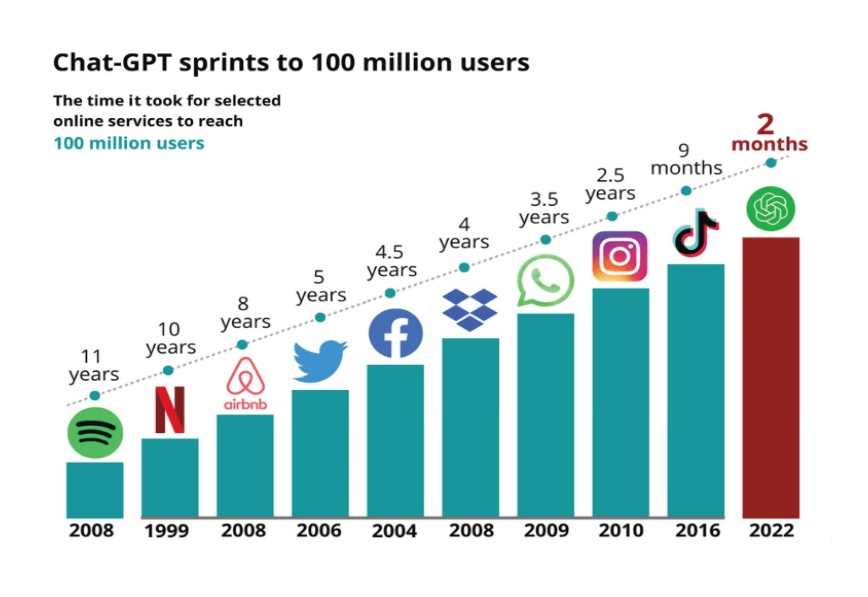
Among AI advancements, ChatGPT stands out with its remarkable language processing abilities. It represents years of research and a vision for a future where humans and AI collaborate to drive innovation. The popularity of this tool is proven by its fast adoption among users.

The Risks of Feeding Customer Information to ChatGPT

While ChatGPT offers significant benefits, it also presents challenges, particularly regarding the handling of customer information. Understanding these issues is crucial for businesses aiming to leverage AI while ensuring data security and customer trust. According to a report, for every 10,000 enterprise users, organizations encounter roughly 183 incidents of sensitive data being posted to the app monthly.

  1. Data Privacy and Security Risks
    Supplying customer information to ChatGPT raises concerns about unauthorized access, data leaks, and long-term data retention, risking exposure of sensitive information.
  2. Compliance with Regulations
    Ensuring AI usage complies with regulations like GDPR, CCPA, and HIPAA requires managing consent, minimizing data use, and honoring data erasure requests.
  3. Maintaining Customer Trust
    Customers may lose trust if they perceive their data is not handled securely, leading to potential negative publicity and damage to the company’s reputation.
  4. Data Accuracy and Quality
    Inaccurate or outdated customer information fed into ChatGPT can result in miscommunication and failed personalization efforts, frustrating customers.

Third-Party AI Tools & Integrations: A Solution

Third-party tools offer a way to leverage AI for personalized communication while protecting sensitive customer data. Advanced systems within these tools detect and isolate sensitive information, mapping PII with unique IDs in the backend. Once AI generates responses, these IDs reintegrate the sensitive information, ensuring secure and personalized outputs. This approach allows businesses to harness AI effectively while safeguarding client and customer data.

AiVantage is launching a new marketing AI-powered tool in August that will help businesses hyper-personalize customer interactions, including emails, letters, and SMS messages at scale, while protecting all personal information. This cutting-edge tool ensures that your communications are both impactful and secure, setting a new standard in the industry. Contact us today to learn more about it.

Setting the AI Trend: Essential Positions Banks Should Fill Today

To effectively integrate AI into banking operations and stay ahead in the competitive landscape, banks need to hire key positions that are critical for developing, implementing, and managing AI technologies. Here are the positions that banks should prioritize:

  1. Chief AI Officer (CAIO)

A Chief AI Officer is responsible for overseeing the bank’s AI strategy. This role involves coordinating AI initiatives across departments, ensuring alignment with the bank’s overall goals, and managing AI-related investments and resources. By having a dedicated CAIO, banks can ensure that their AI projects are strategically directed and well-supported.

  1. Data Scientists

Data scientists play a crucial role in analyzing large datasets to derive actionable insights. They develop algorithms and models for AI applications such as predictive analytics, customer segmentation, and risk management. Their expertise is essential for transforming raw data into valuable business intelligence.

  1. Machine Learning Engineers

Machine learning engineers are tasked with designing and implementing machine learning models that can learn and adapt over time. They work closely with data scientists to deploy AI algorithms into production, ensuring that the models are scalable, efficient, and effective.

  1. AI Ethics Officer

An AI Ethics Officer ensures that the bank’s AI applications are developed and used ethically. This role involves creating guidelines for ethical AI use, monitoring compliance with these standards, and addressing issues related to bias, fairness, and transparency in AI systems. By having an AI Ethics Officer, banks can build trust with customers and stakeholders by demonstrating a commitment to ethical AI practices.

  1. Cybersecurity Specialists

Cybersecurity specialists are vital for protecting AI infrastructure from cyberattacks. They implement security measures for AI systems, monitor for threats, and respond to incidents to safeguard sensitive data. Their role is crucial in maintaining the trust and security necessary for successful AI integration.

  1. Customer Experience Designers

Customer Experience Designers focus on integrating AI into customer interactions to enhance the user experience. They design AI-driven interfaces, chatbots, and personalized services that improve customer satisfaction and engagement. By enhancing the way customers interact with the bank, these designers play a key role in driving customer loyalty and retention.

Moving Forward with AI Projects

Starting early with AI in the banking sector involves developing a strategic vision, investing in training, building a robust data infrastructure, initiating pilot projects, and fostering a culture of innovation. Hiring the right talent is equally crucial. By bringing in above experts, banks can successfully enter the AI revolution and drive significant business growth. Embracing AI today will position banks for a future of enhanced efficiency, customer satisfaction, and competitive advantage. If you’re ready to move ahead with your AI projects but lack the necessary resources, AiVantage is here to help you get started.

Is Your Bank 2.0 Powered by AI? A Checklist to Find Out

[vc_row][vc_column][vc_column_text el_class=”list-style-none-default”]In today’s rapidly evolving banking industry, the integration of artificial intelligence (AI) has become important for institutions striving to stay ahead of the curve. From personalized customer experiences to advanced fraud detection, AI has revolutionized the way banks operate and interact with their customers. But how can you tell if your bank truly embodies the principles of Bank 2.0? To help you assess whether your bank is leveraging the power of AI to its fullest potential, we’ve compiled a comprehensive checklist.

  1. Intelligent Virtual Assistants:
    • Does your bank offer AI-powered virtual assistants or chatbots for customer support?
    • Are these assistants capable of understanding natural language queries and providing relevant responses in real-time?
    • Do they offer personalized recommendations based on individual customer profiles and transaction history?
  2. Enhanced Security Measures:
    • Does your bank utilize AI algorithms for fraud detection and prevention?
    • Are there biometric authentication options available, such as fingerprint or facial recognition?
    • Does your bank employ AI-driven anomaly detection to monitor account activity and identify potential security threats?
  3. Personalized Financial Services:
    • Does your bank offer personalized product recommendations based on your customers’ financial goals and spending habits?
    • Are AI-driven robo-advisors available to provide investment advice and manage portfolios?
    • Can your bank anticipate customer needs and offer proactive solutions tailored to their individual circumstances?
  4. Seamless Digital Experience:
    • Is your bank’s online platform intuitive and user-friendly, with features such as AI enabled voice banking and natural language processing?
    • Can your customers perform banking tasks easily through the mobile app, including account management, bill payments, and loan applications?
    • Does your bank offer seamless integration with third-party apps and services through open banking APIs?
  5. Operational Efficiency:
    • Does your bank utilize AI automation for streamlining internal processes, such as customer onboarding and document verification?
    • Are AI-driven predictive analytics used to optimize resource allocation and improve operational efficiency?
    • Does your bank leverage AI for predictive maintenance of infrastructure and equipment to minimize downtime and ensure smooth operations?
  6. Compliance and Regulatory Adherence:
    • Does your bank employ AI-powered tools for monitoring regulatory compliance and detecting potential risks?
    • Are there robust AI systems in place for anti-money laundering (AML) and know your customer (KYC) procedures?
  7. Continuous Innovation:
    • Does your bank actively invest in research and development to explore new AI technologies and innovative solutions?
    • Is there a culture of innovation and experimentation within the organization, with a focus on pushing the boundaries of what’s possible in banking with AI?
    • Does your bank collaborate with fintech startups and industry partners to stay at the forefront of AI innovation?

As you assess your bank against this checklist, remember that embracing AI is not just about adopting the latest technologies—it’s about embracing a mindset of continuous innovation and evolution. By leveraging AI to its fullest potential, your bank can unlock new opportunities for growth, differentiation, and success in the digital age. So why wait? Start your journey today with AiVantage and pave the way to becoming the real Bank 2.0 powered by AI.[/vc_column_text][/vc_column][/vc_row]

Unlocking the Potential of Large Language Models (LLMs) in Finance

[vc_row][vc_column][vc_column_text]In today’s complex financial world, where information is key and smart choices rule, Large Language Models (LLMs) are game-changers. These super-smart AI systems, trained on huge amounts of text data and powered by top-notch algorithms, have a special talent: they can understand, create, and dissect human language with amazing precision and complexity. In finance, LLMs are a big deal. Their potential is huge and their impact is far-reaching.

Three Key Domains Where LLMs Revolutionize Finance

  1. Fraud Detection and Risk Management
    LLMs play a crucial role in keeping financial transactions secure. They sift through massive amounts of data to spot any unusual activities that could signal fraud. Their advanced analysis helps detect even subtle patterns, allowing financial institutions to stop threats before they cause harm. Additionally, in risk management, LLMs provide valuable insights, helping institutions understand, measure, and reduce risks with remarkable accuracy and foresight.Interestingly, J.P. Morgan has been harnessing AI-powered LLMs for payment validation screening for over two years. This technology not only accelerates processing by minimizing false positives but also enhances queue management efficiency. As a result, J.P. Morgan has achieved significant reductions in fraudulent activities and notably improved the customer experience, with account validation rejection rates dropping by 15-20%.
  2. Enhancing Customer Service
    In today’s customer-centric world, LLM-powered solutions bring innovation to how financial institutions interact with clients. With AI-driven chatbots and virtual assistants powered by LLMs, institutions can offer personalized support 24/7, boosting satisfaction and loyalty. By leveraging LLMs’ conversational abilities and deep language understanding, financial institutions can take customer experience to new levels, increasing engagement, retention, and advocacy.

    You definitely might know “Erica”, a LLM-powered virtual assistant by Bank of America to provide personalized support to customers. Using LLM technology, Erica engages in natural language conversations to assist customers with banking tasks, such as account inquiries and bill payments. This enhances the overall banking experience, increasing customer satisfaction and loyalty.
  3. Predictive Analytics and Strategic Insight
    In the ever-changing financial world, where uncertainty reigns, LLMs shine as predictive tools. By analyzing vast historical data and uncovering hidden patterns, LLMs help institutions foresee market trends, predict economic indicators, and simulate various scenarios accurately. With these insights, institutions can navigate volatile markets confidently, making informed decisions that maximize returns, minimize risks, and unlock opportunities for growth and innovation.An excellent example of LLM based model in finance sector is BloombergGPT which is specifically designed to help traders and investors analyze news and data, enabling them to make better investment decisions. The finance-specific LLM analyzes news stories, earnings reports, social media feeds, and other sources of information to identify relevant trends and patterns.

AiVantage: Your Strategic LLM Partner

In the journey to leverage LLMs, financial institutions need a reliable partner. By partnering with AiVantage, your institution can unlock the full potential of LLM technology and drive lasting impact in the financial industry.

  1. Data Management: AiVantage excels in offering comprehensive solutions for data collection, storage, and management, laying the foundation for LLM-driven innovation.
  2. Advanced Analytics: With AiVantage’s analytics capabilities, institutions can derive actionable insights from LLM-generated data, enabling informed decision-making and strategic planning.
  3. Customized AI Solutions: AiVantage’s team of AI experts develops tailored LLM-based solutions, addressing specific challenges and opportunities faced by financial institutions, from customer service enhancement to risk assessment.

Looking Towards the Future
As the financial industry continues to evolve, the partnership between LLM technology and AiVantage holds immense promise for driving innovation, efficiency, and competitiveness. By embracing LLMs and leveraging the expertise of AiVantage, financial institutions can position themselves at the forefront of technological advancement, delivering unparalleled value to customers, stakeholders, and society at large.

For further insights and personalized consultation on LLM implementation, contact AiVantage today.[/vc_column_text][/vc_column][/vc_row]